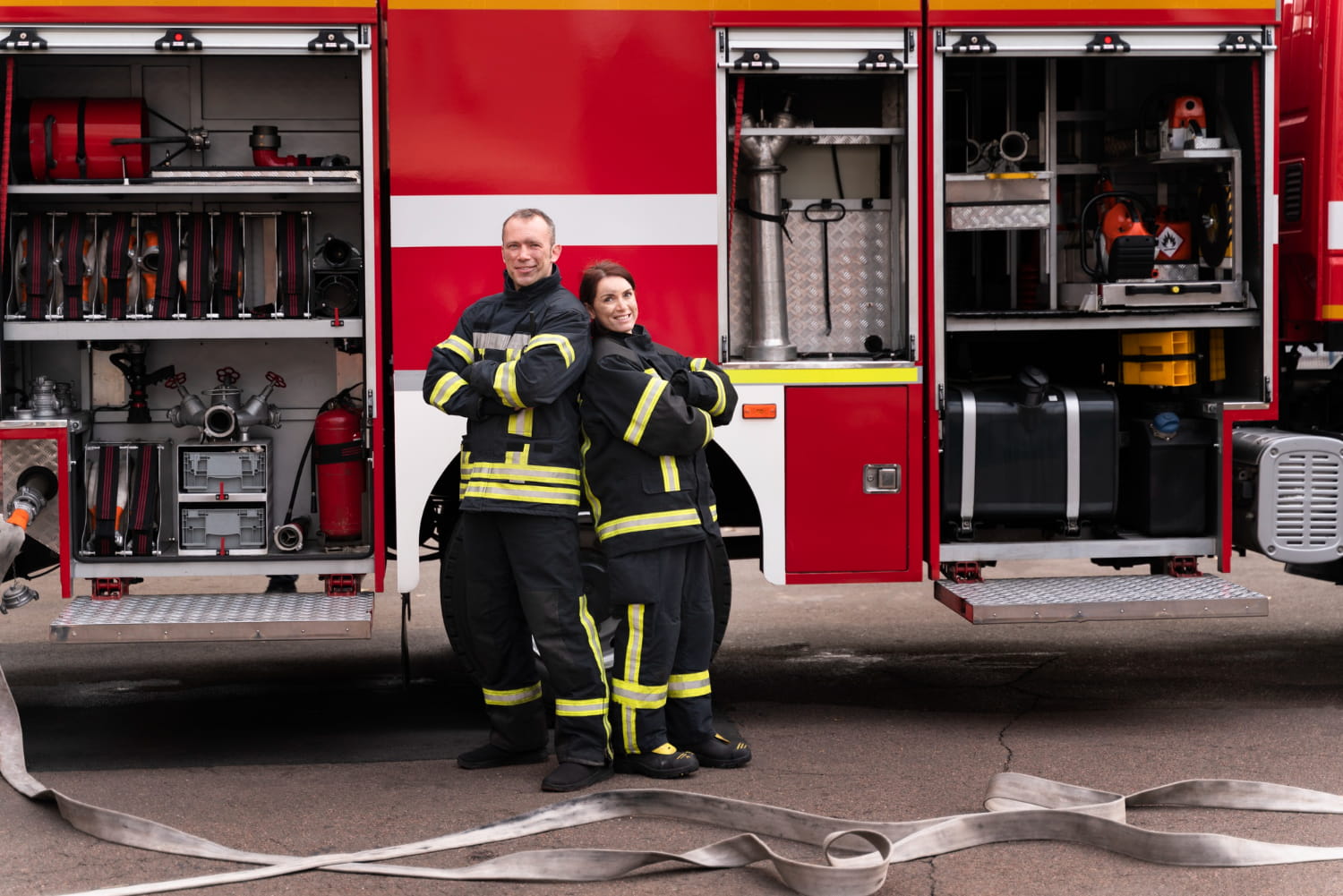
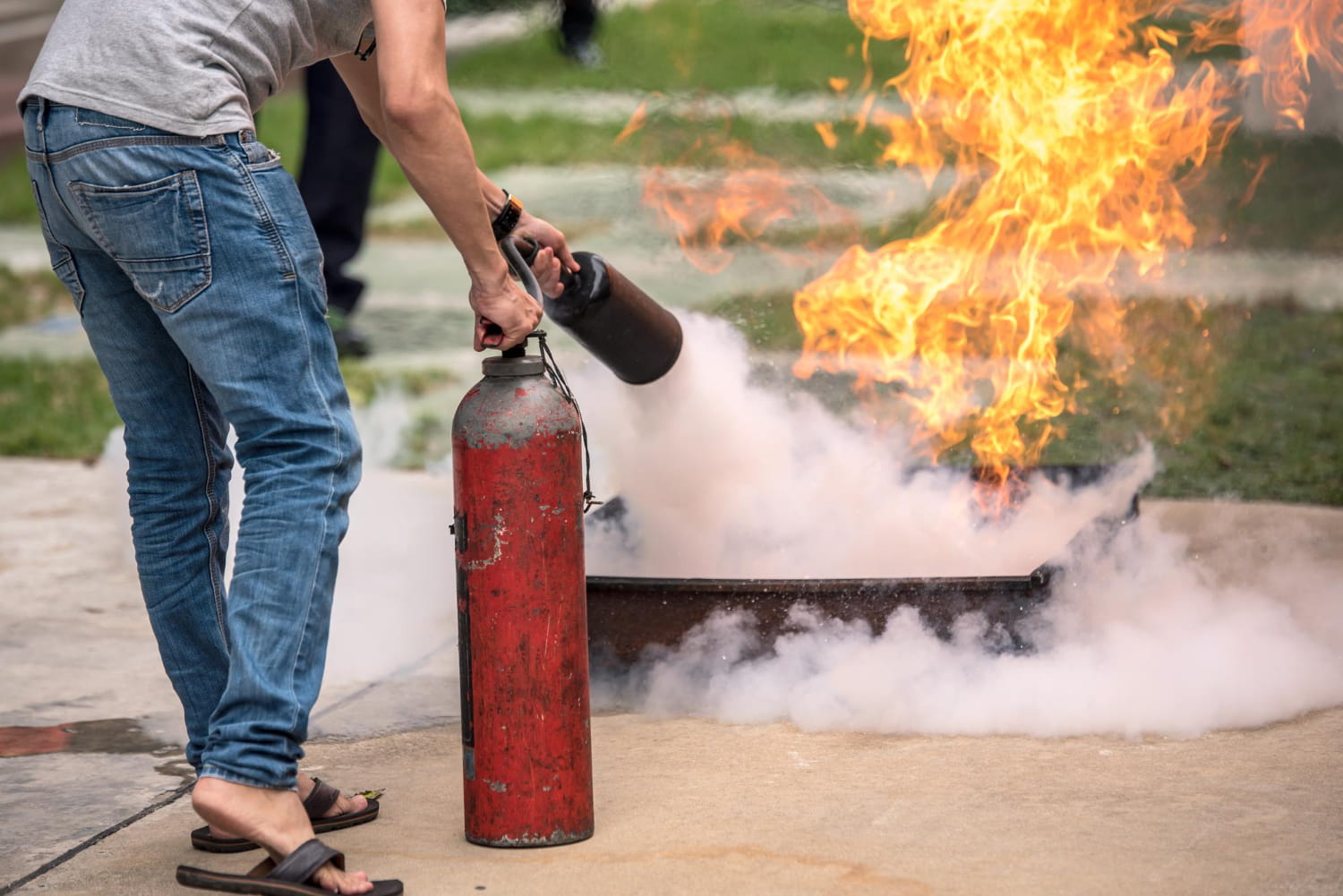
When you think of firefighters, the first image that probably comes to mind is someone running into a burning building — helmet on, hose in hand. But the truth is, modern fire departments do far more than fight fires. In fact, some of the most life-saving work happens before a patient ever reaches the hospital. That’s where the Medical Services Division at St. George Fire Protection comes in — and their impact on the community is nothing short of remarkable.
Beyond the Flames: The Life-Saving Role of EMS
There’s something powerful about seeing a fire truck arrive at the scene — sirens blaring, lights flashing — but what many people don’t realize is that more than half of those calls aren’t for fires at all. They’re medical emergencies.
The Medical Services Division at St. George Fire Protection plays a crucial role in providing pre-hospital emergency care — meaning their team is often the first point of contact when someone’s life hangs in the balance. Whether it’s a heart attack, stroke, severe trauma, or even a childbirth situation, these highly trained professionals bring advanced medical care directly to the patient’s side.
Honestly, it’s kind of amazing how much they can do right there in the field — things that, years ago, were only possible inside a hospital.
Advanced Training Meets Real-World Readiness
What sets this division apart is their training. Every firefighter-paramedic goes through rigorous instruction that covers not only fire suppression but also advanced life support, trauma care, and rapid response techniques.
They’re trained to handle everything — from cardiac defibrillation and airway management to administering life-saving medications and stabilizing critical injuries. The goal isn’t just to “keep someone alive until the ambulance gets there” — it’s to start definitive medical care right away.
And because emergencies don’t always happen on clean, level ground, these responders work in challenging conditions — roadside accidents, tight spaces, unpredictable weather. You name it, they’ve handled it. It’s that adaptability that makes their work so effective.
Teamwork and Technology: The Winning Combo
One thing that really stands out about the Medical Services Division is how seamlessly they integrate technology and teamwork. They use advanced communication systems that link them directly with hospitals and trauma centers, allowing doctors to receive patient updates in real time.
That means while paramedics are treating someone on-site, the hospital is already preparing for their arrival. It’s a level of coordination that can literally shave minutes off response times — and when every second counts, that’s everything.
The division also regularly invests in updated medical equipment and ongoing training programs, ensuring their crews stay ahead of the curve. From portable ECG monitors to advanced trauma kits, they bring hospital-level care right to your doorstep.
Community-Focused Care
What’s really inspiring, though, is the heart behind the work. This isn’t just a job for these professionals — it’s a calling. The Medical Services Division doesn’t stop at responding to emergencies; they also take part in community education programs, health fairs, and CPR training events.
They want residents to feel empowered — not helpless — in emergency situations. Whether it’s teaching a teenager how to perform chest compressions or helping an elderly neighbor understand how to use their medical alert device, it all comes back to one goal: saving lives through preparation.
And honestly, that kind of commitment says a lot about the department’s values.
The Bigger Picture: Why It Matters
When a medical emergency strikes, you don’t have time to think about logistics — you just want help, fast. The Medical Services Division at St. George Fire Protection bridges that critical gap between crisis and care. They don’t just respond — they arrive ready to act, equipped with the knowledge, technology, and compassion to make a difference.
Their work reminds us that emergency care isn’t confined to hospital walls — it starts on the street, in homes, and in the hands of dedicated professionals who put their training and heart on the line every single day.
So next time you see those flashing lights, remember — it’s not just about fighting fires. It’s about fighting for lives. And that’s something truly worth appreciating.