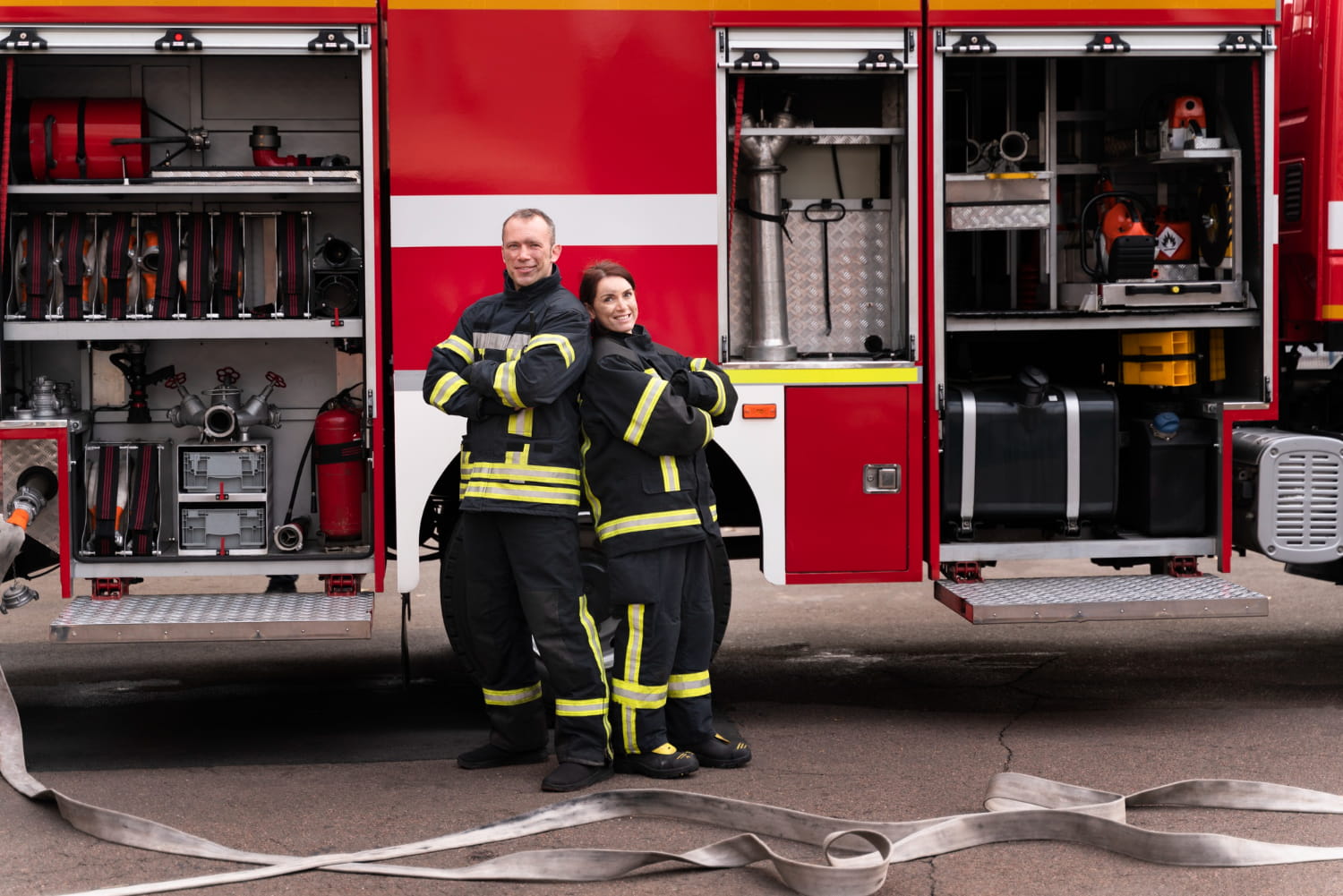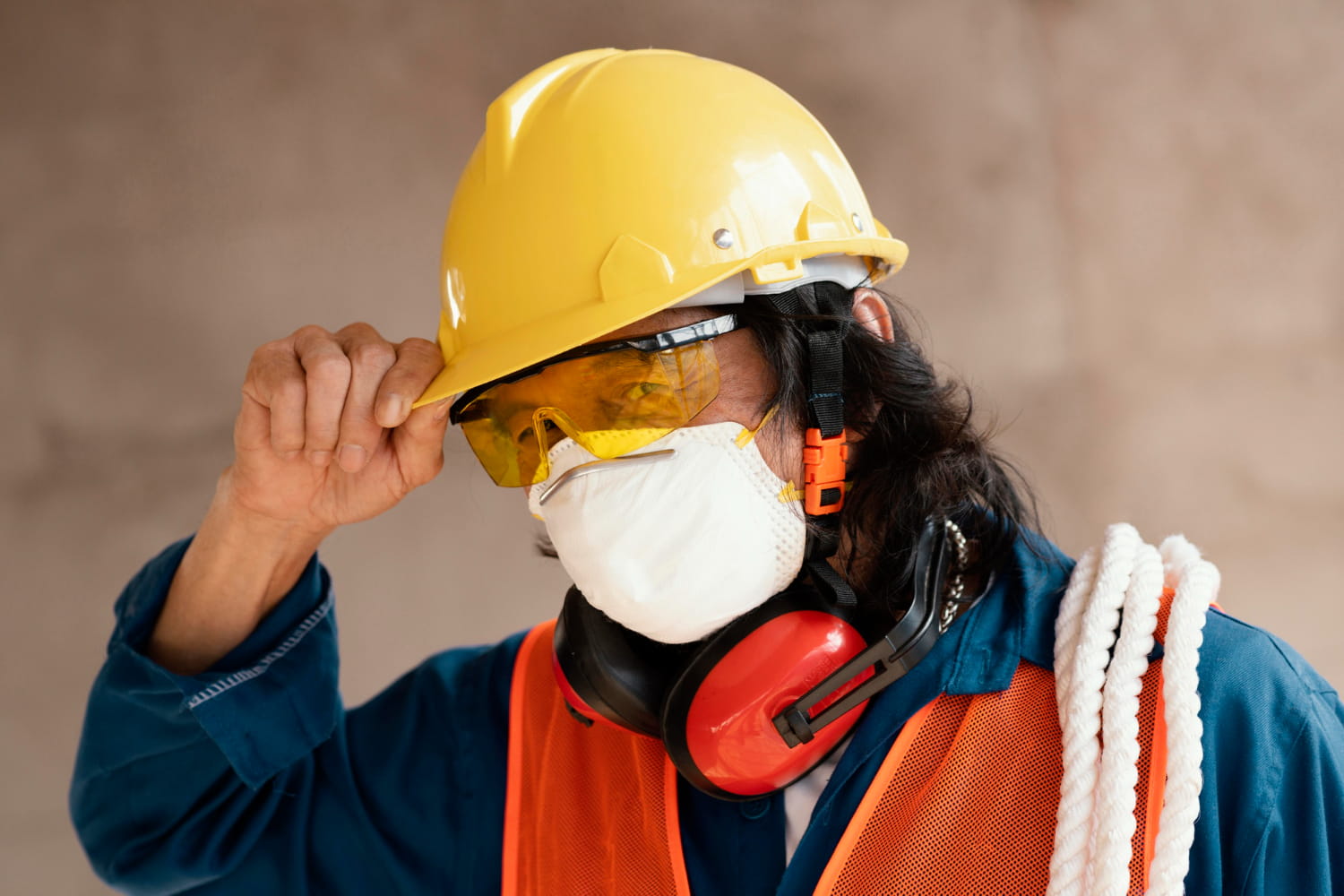
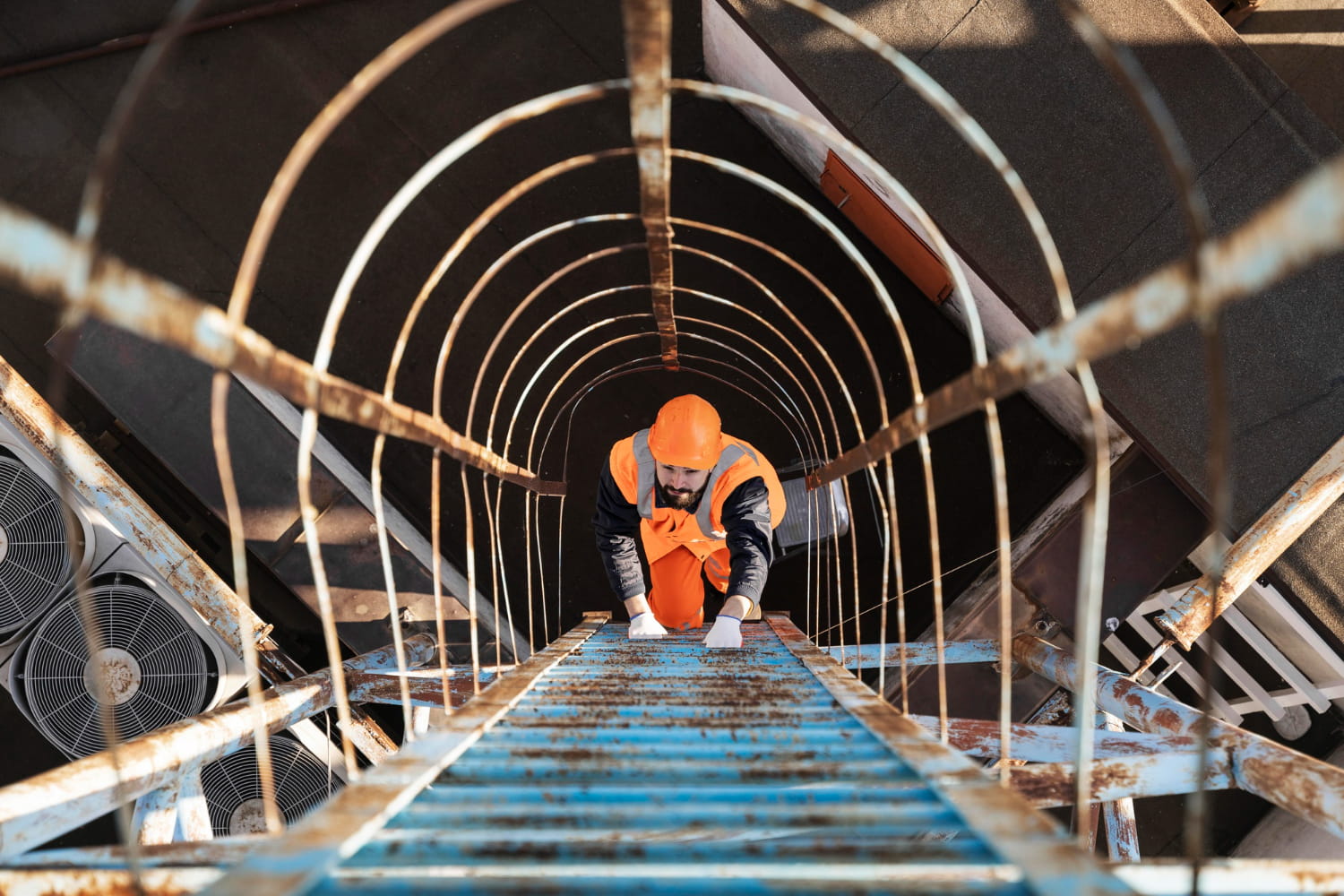
Nobody thinks about rooftop safety until someone needs to go up there for maintenance, repairs, or inspections. Then suddenly you’re wondering if your building’s actually compliant or if you’ve been lucky so far. Roof safe solutions transform dangerous access points into properly managed working spaces where people can do their jobs without risking their necks.
Eliminating the Guesswork
Walking across an unfamiliar roof means not knowing where weak spots are, which skylights will hold weight, or where services run underneath. Proper safety systems mark safe pathways, anchor points, and hazard zones clearly. No more tentative shuffling about hoping you won’t step somewhere catastrophic.
Meeting Your Legal Obligations
Building owners carry responsibility for anyone accessing their roofs, whether employees or contractors. That responsibility doesn’t disappear just because you’re not up there yourself. Installing compliant systems shows due diligence when WorkSafe comes knocking or, worse, when someone gets injured and lawyers start circling.
Making Routine Maintenance Actually Happen
If accessing the roof feels sketchy, maintenance gets postponed until problems become expensive emergencies. Safe access means filters get changed on schedule, gutters stay clear, and equipment gets serviced before it fails. Prevention’s cheaper than emergency repairs, always.
Reducing Insurance Headaches
Insurers ask awkward questions about rooftop safety during renewals. Documented systems with regular inspections make those conversations easier. Some insurers offer better rates for properly equipped buildings because the risk profile genuinely improves. Like rope access in Sydney services demonstrate, professional safety systems reduce workplace incidents significantly.
Protecting Contractors and Employees
Your maintenance team or hired contractors deserve workplace safety. Full stop. They’re someone’s parent, partner, or child going home at the end of the day. Providing proper equipment isn’t generosity – it’s basic decency and legal requirement combined.
Accommodating Different Work Types
Rooftop work varies massively. HVAC technicians need different access than window cleaners. Solar panel installers have distinct requirements from antenna riggers. Flexible safety systems accommodate various trades without compromising protection for anyone.
Extending Equipment Lifespan
Rooftop gear deteriorates from weather exposure constantly. UV radiation, temperature extremes, and moisture all take their toll. Quality systems use materials rated for outdoor conditions and include maintenance schedules that catch deterioration before equipment fails when someone’s relying on it.
Creating Accountability and Documentation
Who inspected what, when, and what did they find? Proper systems include logbooks, inspection records, and maintenance documentation. This paperwork seems tedious until you need to prove compliance, demonstrate maintenance history, or defend decisions after an incident.
Roof safe solutions aren’t exciting purchases that improve your building’s appearance or functionality. They’re invisible investments that prevent tragedies, ensure compliance, and make necessary rooftop work straightforward instead of dangerous. You’ll never notice them working properly, but you’ll definitely notice their absence if something goes wrong. That’s rather the point.