
The salesperson will tell you about energy ratings and cubic litres. What they won’t mention is that most people buy the wrong under counter bar fridge entirely, then spend three years working around its limitations because returning it seemed too much hassle.
Your Bottles Won’t Fit
Sounds stupid, but internal height matters more than total capacity. A 200-litre fridge is useless if your craft beer bottles are 30cm tall and the shelves only give you 28cm. Champagne bottles, wine, tall ciders—measure what you actually stock before you measure anything else. Shelf configuration beats raw volume every single time.
The Temperature Lie
Specifications say 2-8°C. What they mean is 2°C at the back, 8°C at the front, and “who knows” near the door. Cheap fridges have shocking temperature consistency. Your expensive imported beer at the front stays lukewarm while stuff at the back nearly freezes. You want proper air circulation and multiple temperature sensors, not just the legal minimum.
Glass Doors Are a Trap for Busy Bars
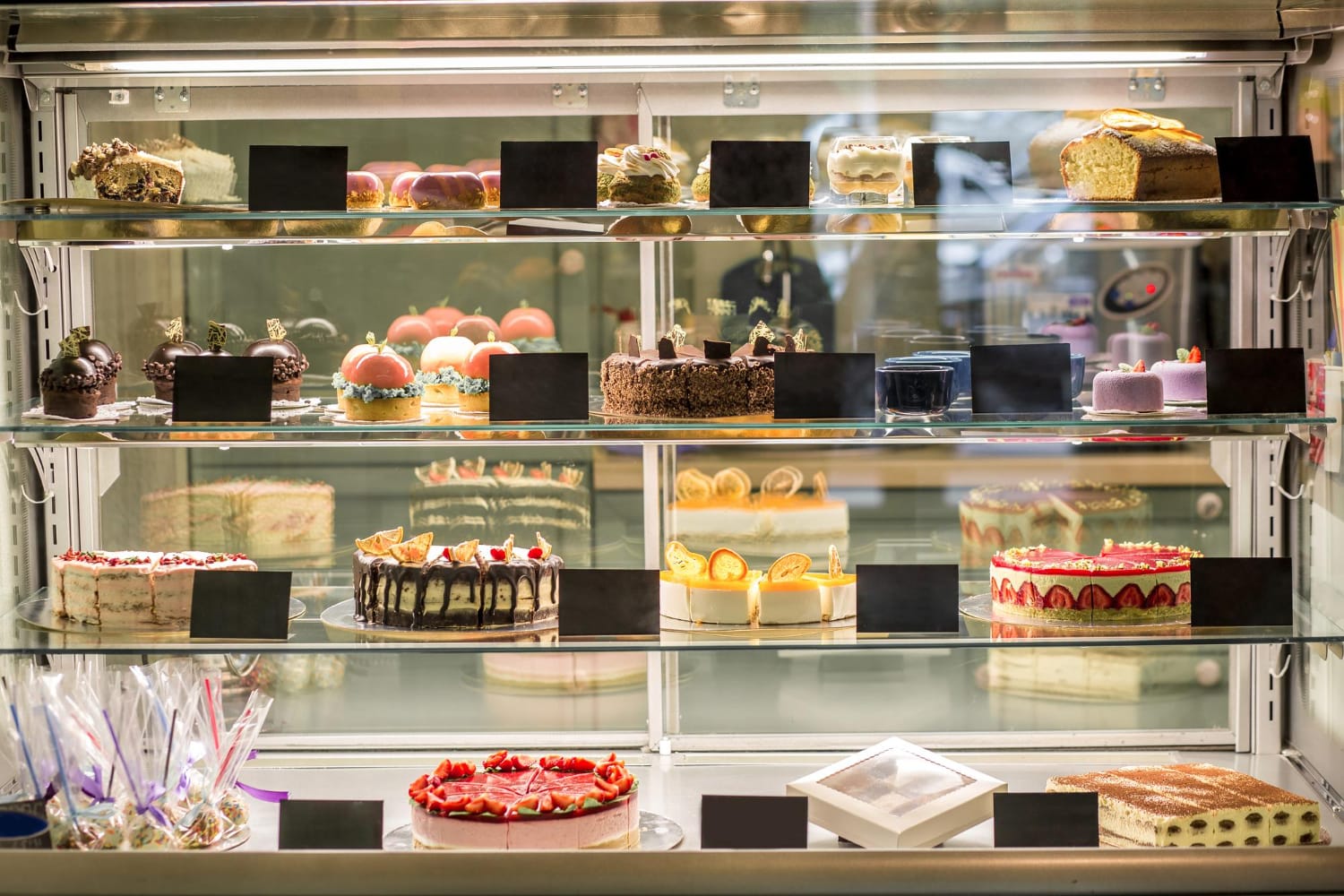
They look fantastic in showrooms. In real life, condensation forms constantly, customers smudge them reaching for drinks, and you’re wiping glass every hour. Plus they let in light, which degrades beer. Solid doors keep things colder with less energy and zero cleaning. Glass doors only make sense if you’re selling premium bottles and need the display—similar to how a cake display fridge showcases desserts in cafés.
Nobody Talks About Access
You’ll restock this thing multiple times daily. Top-loading? You’re bending over constantly. Shelves that don’t slide out? Reaching to the back becomes a nightmare. Door hinges on the wrong side? You’re blocking the workspace every time you open it. Test the physical workflow, not just whether it switches on.
The Compressor Will Drive You Mad
Bars are loud anyway, but a cheap compressor turning on and off every ten minutes adds a grinding hum that customers absolutely notice. Decent variable-speed compressors run quieter and more efficiently. In small venues where the fridge sits near seating, this isn’t optional—it’s the difference between ambience and irritation.
Installation Costs They Forget to Mention
Under counter means it needs ventilation space. No ventilation means the compressor overheats and dies. Your counter might need cutting, drilling, or modification. Some units need dedicated circuits. Budget an extra R3,000–R8,000 for proper installation unless you enjoy warranty-voiding DIY disasters.
Energy Costs Add Up Fast
A fridge running 24/7 in a hot kitchen uses serious power. The difference between an A+ rating and a B rating is roughly R200 monthly. Over five years, that’s R12,000. Suddenly the cheaper model isn’t cheaper at all.
Backup Plans for When It Breaks
It will break. Usually during your busiest weekend. If you’re running one fridge and it dies, your entire cold drinks operation stops. Having backup ice chests and a technician’s number saved isn’t paranoid—it’s basic business sense.
The Real Decision
Forget brand loyalty and sales pitches. Measure your actual bottles, check where it’ll physically sit, calculate running costs, and make sure you can get it serviced locally. An under counter bar fridge is only worth buying when it fits your actual needs, not the salesperson’s commission target.