Workplace safety is not just a rule; it is a necessity. Whether you are working on a busy construction site, inside a loud factory, or handling chemicals in a lab, staying safe should always be your top priority. Accidents happen unexpectedly, but the right preparation can save you from serious injury. This is where personal protective equipment comes into play.
This gear acts as a shield between you and potential hazards. It is the first line of defense that ensures you go home safely to your family at the end of the day. Let’s break down the different types of safety gear and why they are so important for your daily work routine.
Protecting Your Head and Eyes
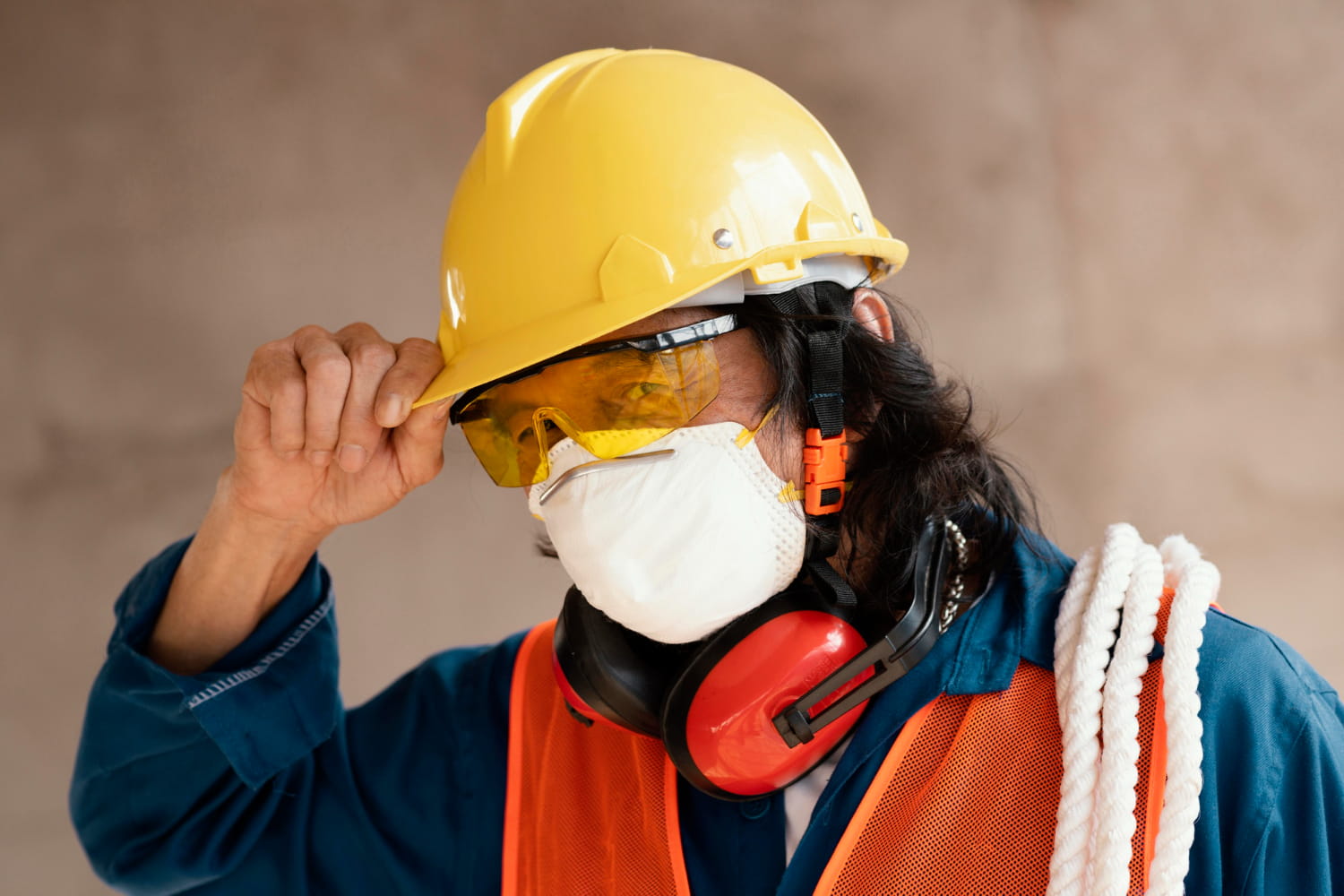
Everything starts from the top. In many industrial jobs, there is always a risk of objects falling from above. A quality safety helmet or hard hat is essential. It protects your skull and brain from impact. It is a simple item, but it saves lives.
Your eyes are equally important. Dust, flying debris, sparks, or chemical splashes can cause permanent damage to your vision in a split second. Wearing safety goggles or glasses creates a barrier that keeps your eyes safe. You should never take the risk of working without them, even for a quick task.
Breathing and Hearing Safety
Some dangers are not immediately visible. In environments with dust, smoke, or paint fumes, the air can be harmful to your lungs. Over time, breathing in these particles can cause serious health issues. Respiratory masks are designed to filter out bad air, ensuring you only breathe in what is safe.
Noise is another invisible hazard. Factories and construction zones are often very loud. If you are exposed to high noise levels for a long time, you can lose your hearing. Earplugs or earmuffs reduce the noise to a safe level, protecting your ears for the future.
Hands, Feet, and Body Protection
We use our hands for almost every task, which puts them at risk of cuts, burns, or chemical exposure. Safety gloves come in many different materials to match the job. Some provide a strong grip, while others resist cuts from sharp objects.
Don’t forget about your feet. Safety shoes, often reinforced with steel toes, are crucial. If you drop a heavy tool or material, these shoes prevent your toes from being crushed. They also usually have non-slip soles to stop you from falling on slippery floors.
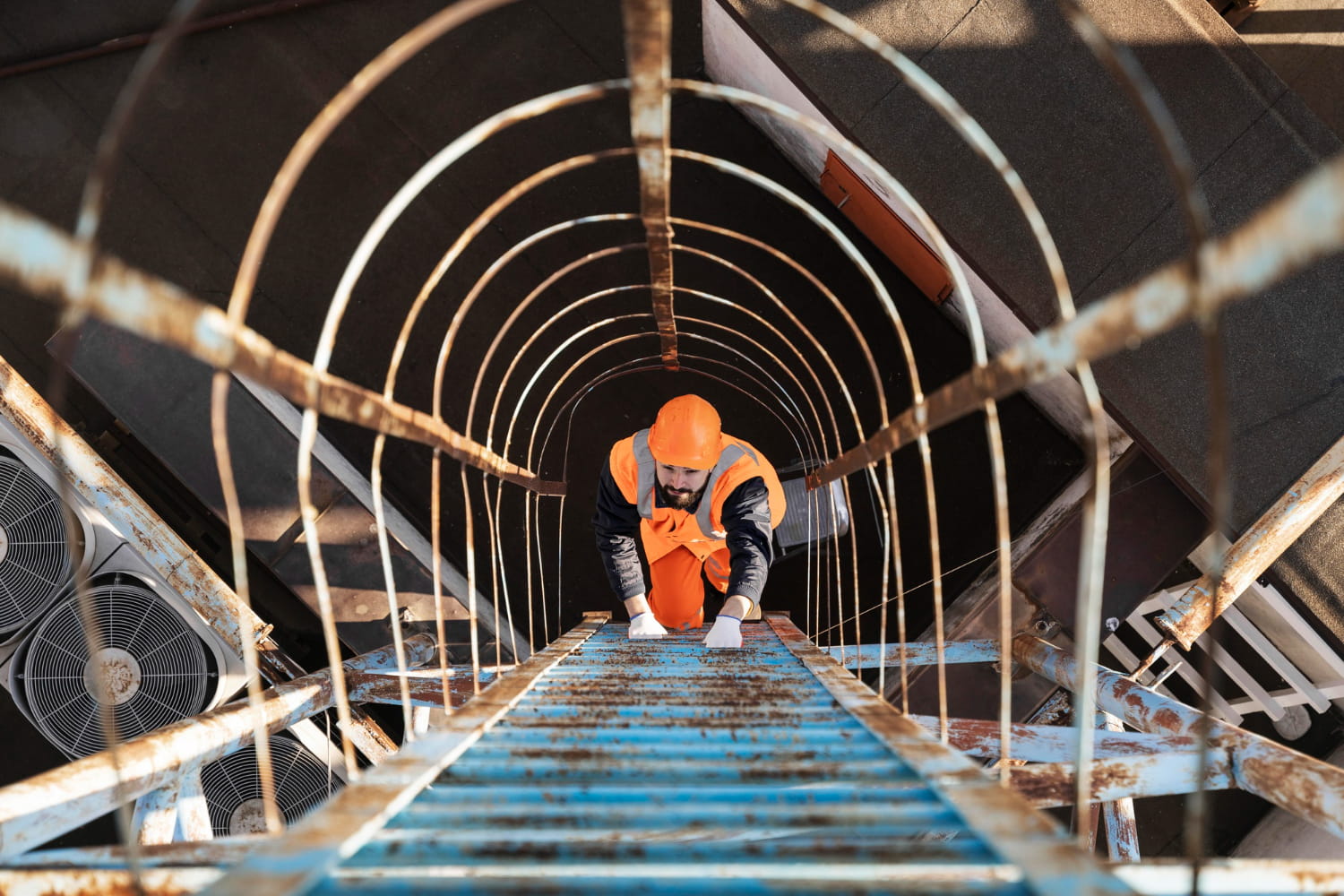
Finally, visibility is key. High-visibility vests make sure that crane operators and vehicle drivers can see you clearly. This prevents accidents involving moving machinery.
Conclusion
Safety is a culture, not just a checklist. Wearing the right protective gear shows that you respect your work and value your life. Always make sure your equipment is in good condition and fits you well. By taking these simple steps, you ensure a safer, more productive work environment for everyone.