
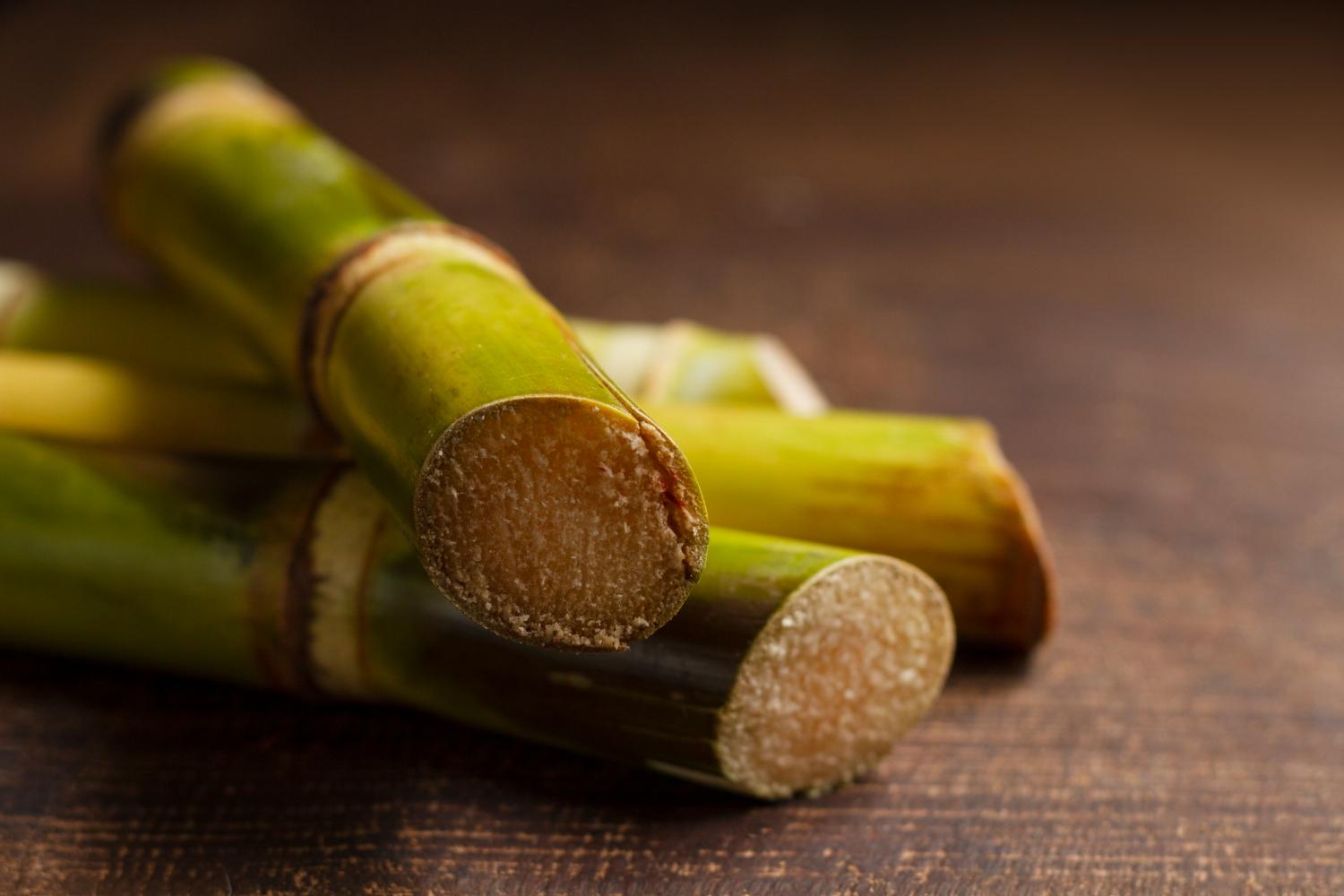
Sugar cane has a long history in Australia, dating back to the 19th century when it became a major agricultural crop in Queensland. Today, sugar cane in Australia is not only a vital industry but also a versatile ingredient with a range of applications, from sweetening foods to producing renewable energy. Understanding its uses helps consumers and businesses appreciate both its economic and culinary value.
A Staple Crop in Queensland
Australia’s climate and soil conditions make it ideal for growing sugar cane, particularly in tropical and subtropical regions. The crop contributes significantly to the economy, supporting farming communities and providing employment in harvesting, milling, and processing. Its cultivation also influences local infrastructure and trade.
Producing Sugar and Sweeteners
The primary use of sugar cane is extracting sucrose to create various sweeteners. Refined sugar, commonly used in households and food production, is derived directly from cane juice. This sugar forms the base for many Australian staples, including desserts, beverages, and confectionery.
Baking and Culinary Uses
One of the most popular applications of sugar cane is baking sugar. Cane sugar enhances the flavour, texture, and colour of baked goods. From cookies and cakes to pastries and muffins, it provides both sweetness and structure, making it an essential ingredient for professional bakers and home cooks alike.
Sustainable Energy Production
Beyond culinary uses, sugar cane also plays a role in renewable energy. Bagasse, the fibrous by-product left after juice extraction, can be used to generate electricity and biofuel. Many Australian sugar mills harness bagasse to power operations, reducing reliance on fossil fuels and contributing to sustainability efforts.
Health and Specialty Products
Sugar cane is also used in producing natural sweeteners and specialty products, such as raw sugar, molasses, and cane syrup. These alternatives retain more nutrients and minerals compared to fully refined sugar, appealing to health-conscious consumers looking for natural flavouring options.
Industrial Applications
Some components of sugar cane are used in non-food industries, including biodegradable plastics, paper products, and even cosmetics. Its versatility makes it a valuable crop not only for traditional sugar production but also for innovative and eco-friendly applications.
Supporting Local Economies
Growing and processing sugar cane in Australia benefits local communities by providing jobs and supporting regional economies. It encourages investment in agricultural technology, research, and export opportunities, strengthening the nation’s agricultural sector.
The role of sugar cane in Australia extends far beyond sweetness. It fuels industries, supports communities, and offers versatile applications from baking sugar to renewable energy. Embracing sugar cane’s potential ensures both economic growth and sustainable practices across the country.